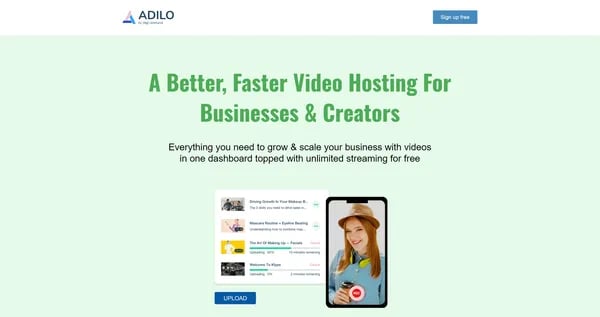

Every tech enthusiast has that sinking moment — opening an email and realizing the tool you passionately supported just pulled a major switcheroo. For some, Adilo’s shift to a mandatory subscription felt less like an upgrade and more like a rug pulled out from under the feet of its earliest backers. One remembers investing in a 'lifetime access' license, picturing smooth sailing ahead. Instead? Unanswered promises, shifting terms, and a creeping sense of déjà vu: "Didn’t we see other platforms crash and burn with this same playbook?" Let’s pull back the curtain on what changed, why users are furious, and the surprisingly compelling alternatives out there.
From Excitement to Exasperation: How Adilo’s Pricing Pivot Hit Early Backers
For many early adopters, Adilo’s promise of a one-time, lifetime license was more than a pricing plan—it was a leap of faith. Backers invested $697 upfront for the “Adilo Lifetime Agency” license, trusting that their early support would be rewarded with ongoing value and exclusive features. The recent shift to a mandatory subscription model, with new Adilo pricing plans for 2025 ranging from $0 to $149 per month, has left these early supporters feeling blindsided and dissatisfied.
The impact of the Adilo subscription model change is deeply personal for those who believed in the platform’s original vision. As one early adopter expressed, “I am writing to express my profound disappointment regarding your recent announcement to transition all accounts to mandatory subscription plans. This decision represents a significant breach of the initial value proposition offered to your early adopters.” Such sentiment is widespread, as the sudden rewrite of terms invalidates the foundation upon which many customers made their purchase decisions.
Adilo’s pivot is not just about new pricing—it’s about trust. Early adopters were promised not only lifetime access but also valuable add-ons like AskPigeon, a chat tool that was never delivered despite repeated requests. The lack of communication and failure to fulfill these commitments have only deepened customer dissatisfaction with the subscription service shift. “Changing the terms after the fact doesn’t just impact our bottom line — it undermines trust,” one user noted, highlighting the psychological toll of broken SaaS promises.
This scenario is not unique to Adilo. The SaaS industry has seen similar cases where platforms, after offering lifetime deals, later transition to recurring subscription models. These pivots often lead to a wave of subscription services dissatisfaction, as early backers feel penalized for their initial support. The pattern is clear: unsustainable pricing models may attract early growth, but the long-term cost is often customer loyalty and brand reputation.
For early adopters, the frustration is compounded by the absence of partial refunds or meaningful compensation for the abrupt transition. Many invested in Adilo with the expectation of stable, predictable access, only to find themselves forced into a monthly or annual payment structure. The psychological impact is real—once bitten, twice shy. Many now hesitate to trust new SaaS platforms, wary of future pricing pivots and broken promises.
Personal investment: $697 upfront for a lifetime license
New Adilo subscription model: $0 to $149/month, effective immediately
Unfulfilled promises: Features like AskPigeon never delivered
No partial refunds: Early adopters left without compensation
The early adopter experience impact is clear: Adilo’s pricing pivot has shifted the mood from excitement to exasperation, fueling widespread customer dissatisfaction with subscription changes and leaving many searching for more trustworthy alternatives.
Peeling Back the Numbers: Breaking Down Adilo’s Current Subscription Model
Adilo’s recent shift to mandatory subscription plans has left many early adopters questioning the platform’s value and transparency. As the company moves away from its original lifetime access promise, it’s crucial to examine the new Adilo pricing plans 2025 and what they truly offer—especially for users who invested in the platform’s early days.
Snapshot: Adilo’s Pricing Ladder
Adilo now offers a tiered subscription structure, with plans ranging from a $0 entry-level option to a $149/month business tier. The most popular choice, the “Unlimited Hosting” plan, is advertised at $42/month (when billed annually). This plan includes unlimited video and audio hosting, 1TB monthly bandwidth, custom branding, and advanced security features. However, the term “unlimited” deserves a closer look, as bandwidth and feature limitations still apply.
Unpacking Hidden Costs: Bandwidth Overages, DRM, and Add-Ons
While the base subscription fee may seem competitive, users frequently report frustration with unexpected costs tied to bandwidth overages and digital rights management (DRM) licenses. For instance, the Unlimited Hosting plan includes 1TB of bandwidth per month. Exceeding this limit incurs additional charges, which can quickly escalate for high-traffic sites or viral campaigns. Similarly, DRM protection—a must-have for many professional video creators—comes at an extra monthly cost, as do features like advanced captions and analytics.
“There are always small print surprises in these new plans.”
This sentiment is echoed across user forums, with many citing the complexity of Adilo pricing subscription plans and the lack of upfront clarity about add-on pricing. The result: budgeting for video hosting cost becomes a moving target, especially for businesses scaling their video operations.
Feature Breakdown: What Are You Really Paying For?
Starter Plan ($0/month): Limited storage, basic branding, and capped bandwidth. Suitable for testing, but inadequate for serious marketers.
Unlimited Hosting ($42/month, annual): 1TB bandwidth, unlimited uploads, custom branding, advanced security, but DRM and captions are extra.
Business Tier ($149/month): Higher bandwidth, priority support, and more integrations, but still subject to overage and add-on fees.
Is “Unlimited” Really Unlimited? A Skeptical Look at the Fine Print
Despite the “unlimited” label, bandwidth caps and extra fees are standard. Users must actively monitor their usage to avoid surprise charges. The promise of unlimited hosting is undermined by the reality of 1TB bandwidth limits and recurring add-on expenses. As one user put it, “Unlimited means something different in the fine print.”
Additionally, deadlines for account migration and the absence of partial refunds for cancellations have compounded user dissatisfaction, especially among early adopters who expected lifetime access. The evolving subscription plan terms and the prevalence of hidden fees have made Adilo’s pricing model a cautionary tale for those seeking predictable video hosting cost structures.
Promises Made, Promises Broken: The High Cost of Eroded Trust
For early adopters, the allure of the Adilo Lifetime Agency license was more than just a pricing deal—it was a promise. The expectation was clear: a one-time investment would secure lasting access and exclusive features, honoring the faith and capital of those who supported the platform from the start. However, Adilo’s abrupt shift to mandatory subscription services and its failure to deliver on promised add-ons like AskPigeon have left a lasting mark on customer trust and satisfaction.
The Missing AskPigeon Add-On: A Microcosm of Broader Disappointment
Among the most cited early adopter experience impacts is the unfulfilled promise of AskPigeon—a chat button/app that was advertised as a bonus for Lifetime Agency license holders. Despite repeated inquiries, users report never receiving access, nor any meaningful response from Adilo’s support team. This isn’t just a minor oversight; it’s a symbol of a larger pattern where feature promises go unfulfilled, amplifying frustration and eroding confidence in the brand. As one user put it,
“It’s never about tech — it’s about trust.”
Why Consistent Communication Matters More Than Tech Specs
While advanced features and technical innovation are important, they are not the foundation of long-term loyalty. Transparent, consistent communication is what truly cements customer relationships. When Adilo failed to address the missing AskPigeon add-on or provide clear updates about shifting to a subscription model, it sent a message: customer engagement was not a priority. This lack of dialogue left early adopters feeling ignored, further deepening dissatisfaction with the subscription services transition.
Industry-Wide Trust Deficit: SaaS Users on Edge
The Adilo situation is not an isolated case. Across the SaaS landscape, users have grown wary of platforms that revise terms, retract features, or alter pricing models after launch. Each broken promise—no matter how small—contributes to an industry-wide trust deficit. For many, the disappointment over Adilo’s Lifetime Agency license issues is less about the money and more about the principle: honoring agreements and respecting early supporters.
A Quick Detour: What If SaaS Companies Actually Kept Every Promise?
Imagine a SaaS world where every feature, bonus, and pricing commitment was honored without exception. Early adopters would become lifelong advocates, customer support queues would shrink, and brands would enjoy organic growth through word-of-mouth. Churn rates would plummet, and “buyer’s remorse” would be a thing of the past. In this hypothetical scenario, trust—not technology—would be the most valuable asset a company could offer.
Ultimately, the Adilo experience serves as a powerful reminder: broken promises amplify distrust, even if the platform’s technical features remain strong. For SaaS companies, the lesson is clear—respecting agreements and maintaining open communication are non-negotiable for lasting success.
The Hunt for Stability: Exploring Alternatives to Adilo for Video Hosting
When a video hosting platform changes its terms and breaks promises to early adopters, trust is lost—and so is the incentive to stay. The recent lifetime account transition at Adilo has left many searching for a stable, transparent, and reliable video hosting solution. As one early adopter put it,
“Switching platforms is stressful, but so is staying with one you can’t trust.”
For those seeking video marketing alternatives, two platforms—Viddiooz.CC and Groove CRM—stand out for their features, integration, and, so far, their commitment to honoring user expectations.
A Glance at Viddiooz.CC: Pre-Made Video Campaign Tools & Launch Bonuses
Viddiooz.CC positions itself as a video hosting platform focused on marketing campaigns. Its core promise is to help businesses quickly set up “conversion-crushing” video offers, complete with pre-made campaign infrastructure and bundled launch bonuses. For marketers, this means:
Quick deployment of video-based promotions
Easy integration of calls-to-action and sales hooks
Special launch pricing and bonus content to add value
While Viddiooz.CC is not as broad as some all-in-one platforms, it appeals to users who want a straightforward, campaign-focused tool. For those burned by shifting terms elsewhere, the platform’s transparent pricing and clear feature set are a welcome change.
Groove.cm’s All-in-One Approach: Integration That Matters
Groove.cm takes a different approach, bundling a suite of digital business tools—including video hosting, sales funnels, email marketing, memberships, and analytics—into a single unified platform. The GrooveVideo module allows users to:
Upload, host, and embed videos across websites and funnels
Add interactive features like clickable CTAs and lead capture overlays
Track performance with built-in analytics
For creators and agencies, the biggest draw is integration. Instead of juggling multiple subscriptions and tools, everything from video hosting to sales and email is managed in one place. This not only streamlines workflows but also reduces costs and complexity—key requirements for anyone seeking a stable alternative after Adilo’s lifetime account transition.
Key Requirements: Reliability, Pricing Transparency, and Honoring Early Promises
After experiencing broken promises, users are prioritizing:
Reliability: Platforms must deliver consistent service and uptime.
Pricing Transparency: No hidden fees or sudden changes to lifetime deals.
Honoring Onboarding Promises: Early adopters expect the features and bonuses they were sold.
Neither Viddiooz.CC nor Groove CRM has a history of shifting terms or unfulfilled commitments—at least for now. Still, a personal rule applies: always check the fine print and the support forums before diving in. A platform’s track record with early adopters is just as important as its feature set when comparing video hosting platform features.
Conclusion: SaaS Loyalty Isn’t Dead – But It’s on Life Support
The recent subscription model change at Adilo is not an isolated incident, but rather a reflection of a growing pattern across the SaaS industry. When companies shift their pricing structures or terms after launch—especially at the expense of early adopters—they put customer loyalty to the test in ways that can have lasting consequences. The frustration and customer dissatisfaction subscription changes generate are not just about money; they are about broken trust and the erosion of goodwill built over months or years.
For many early adopters, the promise of a lifetime deal is more than a marketing hook—it’s a contract, both written and implied. When platforms like Adilo renege on these agreements, it signals a disregard for the very users who helped them gain traction in the first place. As one disappointed customer put it, “I will not be converting my account to a paid subscription. Moving forward, I can and will no longer recommend or promote Adilo to colleagues or clients.” This sentiment is echoed across forums and social media whenever a SaaS company pivots away from its initial commitments.
This pattern is not unique to Adilo. The SaaS space is littered with examples of platforms that launched with unsustainable pricing, only to later force users into new plans. Each time, the result is the same: users feel betrayed, and competitors—like Viddiooz.CC and GrooveVideo—stand ready to welcome those seeking a more reliable video marketing platform alternative. As the market matures, users have become more discerning, learning to scrutinize every “lifetime” promise and to document the terms of their agreements.
For those burned by sudden subscription model changes, the path forward is clear but demanding. Document every promise and term at the time of purchase. Demand accountability from platforms when terms shift. And, most importantly, vet new tools with extra care—reading the fine print, researching company history, and seeking out platforms with a proven track record of honoring their commitments. In a landscape where service promises can be revised overnight, future-proofing your digital stack means staying nimble and skeptical.
Ultimately, the lesson for SaaS companies is simple but profound:
“SaaS companies have to remember: a customer’s trust is harder to win back than a lost subscription.”
In the fast-moving world of tech, broken trust lingers longer than any monthly invoice. While SaaS loyalty isn’t dead, it’s certainly on life support—and only those companies that prioritize transparency and respect for their earliest supporters will survive the next wave of industry disruption.