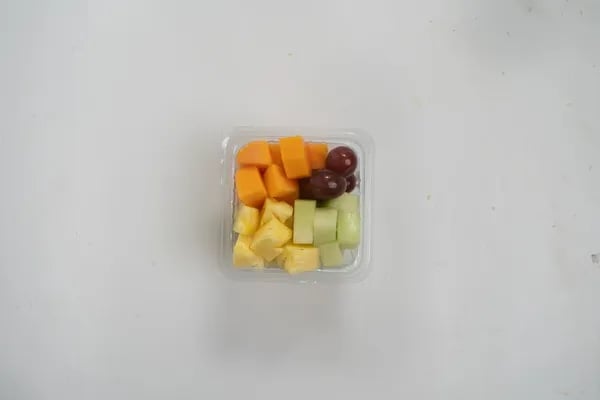



Has anyone else ever noticed that grocery shopping for produce is a little like picking out treasures? There’s always that one odd, knobbly root or that scandalously bright fruit beckoning from the shelf. The truth? Behind that vibrant display is a nutritional goldmine—one that changed my feeling of perpetual fatigue into a small, ongoing miracle. Let’s dig into the why and how, and, yes, let’s have some fun in the kitchen!
The Underrated Magic: What Fruits and Veggies Actually Do for You
Let’s be honest—most people know they should eat more fruits and vegetables, but few realize just how much these nutritional all-stars can transform daily life. The health benefits of fruits and vegetables go way beyond just “eating healthy.” We’re talking about a full-body upgrade, powered by essential nutrients in fruits like vitamins, minerals, amino acids, and healthy fats. These aren’t just buzzwords; they’re the building blocks for glowing skin, strong teeth, resilient bones, and a sharper mind.
Ever wonder why some people seem to have boundless energy, a great mood, and rarely get sick? Research shows that fruits and veggies are the secret weapon. They’re packed with dietary fiber—a true hero for digestion, steady energy, and even weight management. Fiber helps keep cholesterol and blood sugar in check, making those mid-afternoon crashes a thing of the past. And let’s not forget the immune system boost you get from yellow and orange produce, loaded with vitamins C and A, plus potassium for heart health.
It’s not just about looking good (though, yes, your skin and hair will thank you). These foods are the foundation for a happier gut, stronger immunity, and even better sleep. Vitamins A, C, and E found in fruits and vegetables support everything from cell repair to glowing skin. Antioxidants and phytochemicals in berries, leafy greens, and other produce combat inflammation and defend against chronic illness. As Registered Dietitian Keri Glassman puts it:
Berries and leafy greens have completely transformed how I feel every morning.
Personal experience backs this up. Swapping out a bag of chips for a bowl of fresh berries? It’s a game-changer. Suddenly, that afternoon slump disappears, replaced by sharper focus and more energy. And the science agrees—nutrients from whole fruits and vegetables outperform supplements for reducing disease risk and boosting overall health.
Green veggies like spinach and broccoli bring vitamin K, folate, magnesium, and potassium to the table, supporting everything from strong bones to a healthy heart. Eating the rainbow isn’t just a catchy phrase—it’s a proven way to ensure your body gets the full spectrum of nutrients it craves.
So, next time you’re at the grocery store, remember: you’re not just buying produce. You’re investing in better sleep, a brighter mood, and a body that feels as good as it looks. That’s the real magic of fruits and veggies.
Meet the Superstars: 10 Superfoods to Boost Everyday Life
What if the secret to feeling energetic, focused, and healthy was hiding right in your grocery cart? Superfoods to boost your everyday life aren’t just exotic powders or pricey supplements—they’re often the familiar berries, leafy greens, and even humble carrots you pass by every week. The real power of these superfoods for nutrition is in their high concentrations of antioxidants and phytochemicals, which research shows play a crucial role in disease prevention and overall vitality.
Let’s shine the spotlight on these nutritional superstars. Berries, for example, are bursting with antioxidants that help reduce inflammation and support cancer risk reduction. Leafy greens like spinach and kale are loaded with fiber, vitamins, and minerals that can help reduce risk of heart disease and stroke. Even carrots, with their vibrant orange color, deliver a punch of vitamin A and other nutrients that support immune function and eye health.
But superfoods aren’t just about fruits and greens. Nuts and seeds bring healthy fats and protein to the table, while certain fish—think salmon or sardines—offer omega-3 fatty acids that are essential for brain and heart health. The synergy of these foods, when combined, creates a powerhouse of nutrition that’s hard to beat.
Now, let’s get real for a moment. Who hasn’t tried to eat raw kale and instantly regretted it? (Pro tip: blend it into a smoothie with berries and banana—your taste buds will thank you.) Superfoods don’t have to be intimidating or bland. The eBook The Miraculous Power of Fruits and Vegetables makes it easy to discover new favorites and incorporate them into meals you’ll actually crave.
So, what makes a food “super”? According to industry experts, it’s all about nutrient density. These foods pack more vitamins, minerals, antioxidants, and phytochemicals per bite than most others. As Dr. Joel Fuhrman puts it:
Incorporating a single serving of dark leafy greens each day can work wonders for longevity.
Superfoods to boost your health are more accessible than ever. Whether you’re tossing berries into your oatmeal, adding spinach to a sandwich, or snacking on walnuts, you’re taking simple steps toward reducing disease risk and feeling your best. And remember, superfoods for nutrition aren’t just a trend—they’re a proven path to a healthier, more vibrant life.
Not All Supplements are Created Equal: The Whole Food vs. Pill Debate
When it comes to unlocking the true nutritional content of fruits, there’s simply no substitute for the real thing. While vitamin tablets and supplements may seem convenient, research shows that nutrients from whole fruits and vegetables deliver far more powerful results for your health. Why? It all comes down to the variety of nutrients and the way they work together in nature’s perfect package.
Fruits and vegetables are loaded with essential vitamins, minerals, amino acids, and fatty acids. These aren’t just isolated ingredients—they’re part of a complex, synergistic system. When you bite into a crisp apple or enjoy a handful of berries, you’re not just getting vitamin C or fiber. You’re getting a blend of antioxidants, phytonutrients, hydration, and dietary fiber that work together to support digestion, boost immunity, and even improve your mood and focus. As Dr. Michael Greger puts it:
You can’t bottle what nature packages perfectly.
Now, imagine trying to replace all your produce with a handful of pills. Sounds easy, right? But here’s the catch: supplements can’t replicate the full spectrum of benefits found in whole foods. Pills often contain isolated nutrients, missing out on the subtle interactions that make fruits and vegetables so effective for disease risk reduction. Studies indicate that eating a varied mix of produce lowers the risk of chronic diseases far better than relying on supplements alone.
But even with the best intentions, it’s easy to make mistakes when incorporating fruits into your diet. One common pitfall? Overdoing it with dried or juiced versions. While they might seem healthy, these concentrated forms can spike your sugar intake and strip away valuable fiber and nutrients. It’s a classic example of how even healthy choices can backfire if you’re not careful.
Whole fruits and veggies: Deliver fiber, hydration, and a variety of nutrients.
Supplements: Often lack the synergy and full nutritional content of fruits.
Common mistakes eating fruits: Overconsuming juice or dried fruit (watch out for hidden sugars!).
If you’re serious about healthy diet incorporation, focus on enjoying a rainbow of fresh produce. The benefits go far beyond what any pill can offer—think better digestion, stronger immunity, glowing skin, and a happier, more energetic you. Nature’s variety truly is your best health insurance.
Creating a Rainbow on Your Plate: How to Include More Fruits and Veggies (and Actually Enjoy It)
Imagine opening your fridge and seeing a color wheel—vivid reds, deep greens, sunny yellows, and vibrant purples. That’s not just a feast for the eyes; it’s a powerhouse for your health. Research shows that eating the rainbow—consuming a variety of colorful fruits and vegetables—ensures you get a complete spectrum of essential nutrients. But let’s be real: knowing how to include them in your daily routine is where most people get stuck.
Practical Ways to Sneak More Produce Into Every Meal
Breakfast: Toss berries or sliced banana into oatmeal, blend spinach into your morning smoothie, or top whole-grain toast with smashed avocado and tomato.
Lunch: Add shredded carrots or bell peppers to wraps, pile leafy greens onto sandwiches, or swap chips for crunchy veggie sticks.
Snacks: Keep pre-chopped veggies and fruit at eye level in the fridge for easy grabbing. Pair apple slices with nut butter or dip cucumber rounds in hummus.
Dinner: Stir extra greens into pasta sauce, roast a medley of root veggies, or try a “Veggie-First Friday” where the main dish is plant-based.
Eat the Rainbow—And Make It Fun
Turn healthy eating into a game: challenge your family to eat five different colors each day. Not only does this boost fruits vegetables accessibility, but it also keeps meals interesting. Even modest increases in daily produce can lead to big health benefits, from better digestion to improved mood and energy.
Tips for Picky Eaters and Busy Families
Blend veggies into sauces or soups for a stealthy nutrition boost.
Let kids pick a new fruit or veggie to try each week—ownership makes them more likely to eat it.
Batch-prep and portion produce on weekends so healthy choices are always ready.
Studies indicate that prepping and making produce accessible is key to how to incorporate fruits and veggies into your diet. The eBook, The Miraculous Power of Fruits and Vegetables, is packed with creative, practical suggestions so you’ll never get bored—and you’ll actually enjoy the process.
Let food be thy medicine and medicine be thy food. — Hippocrates
Avoiding Pitfalls: Common Mistakes and Surprising Side-Effects
Fruits and vegetables are the backbone of a healthy diet, but even the best intentions can go sideways. It’s easy to assume you can never have too much of a good thing—yet, when it comes to produce, balance is everything. Let’s shine a light on the common mistakes eating fruits and veggies, and discover how to unlock their benefits without the unexpected side-effects.
How ‘Too Much of a Good Thing’ Can Affect Teeth or Blood Sugar
Did you know that overdoing fruit—especially dried or juiced—can actually add excess sugar and calories to your day? Research shows that while fruits are packed with vitamins and minerals, some, like grapes or dried mango, are sugar bombs in disguise. This can sabotage weight management support and even spike blood sugar levels, especially for those sensitive to glucose.
And let’s not forget your teeth. Citrus fruits, pineapple, and even tomatoes are acidic. Consuming too much can wear down enamel, leading to sensitivity and cavities. A quick rinse and brushing after enjoying these treats can help protect your smile.
Quick Quiz: Are You Making Any of These Fruit/Veggie Slip-Ups?
Swapping whole fruit for fruit juice or smoothies every day?
Snacking on dried fruit by the handful?
Skipping veggies in favor of more “fun” fruit options?
Forgetting to rinse your mouth after citrus snacks?
If you nodded yes to any, you’re not alone! These are some of the most common mistakes eating fruits and veggies, but they’re easy to fix.
Tips for Balancing Portions and Choosing the Best Produce Forms
Choose whole fruits and vegetables over processed or juiced forms for the best improve digestion fiber boost.
Keep dried fruit as an occasional treat, not a daily staple.
Mix up your colors and types—think “eat the rainbow” for healthy diet incorporation.
Balance fruit with plenty of leafy greens and cruciferous veggies.
The Rare Situation Where Moderation Really Matters
For most, moderation is the secret sauce. As Oscar Wilde famously said:
All things in moderation, including moderation.
So, enjoy the miraculous power of fruits and vegetables—just don’t let enthusiasm turn into excess. Your body, teeth, and waistline will thank you!
Wild Card: Colorful Plates, Colorful Lives—A Psychological Perspective
Ever notice how a meal bursting with color just feels more satisfying? There’s real science behind that. Research shows that the energy and mood benefits of eating a variety of colorful fruits and vegetables go far beyond simple nutrition. In fact, the most nutrient-dense foods are often the most vibrant—think ruby-red strawberries, deep green spinach, or that unforgettable purple sweet potato that once made Instagram go wild. It’s no coincidence. Colorful plates are not just a feast for the eyes—they’re a signal to your brain that you’re about to enjoy a variety of nutrients essential for a healthy diet incorporation.
Imagine your dinner plate as an artist’s palette. Each hue represents a different set of vitamins, minerals, and antioxidants. When you “eat the rainbow,” you’re not just making your meals more visually appealing—you’re also ensuring a broader spectrum of nutrients. Studies indicate that people are more likely to eat a healthy variety when their meals look bright and inviting. It’s a simple trick that works: the more colors on your plate, the more likely you are to get the full range of nutrients your body craves.
There’s also a psychological boost to eating colorful foods. Brightly colored produce draws interest and satisfaction, making it easier to stick to healthy habits. It’s not just about what’s on your fork—it’s about how those colors make you feel. Meals that look vibrant tend to feel more satisfying, and they can even make you more mindful about what you’re eating. As Food Blogger Dana Shultz puts it,
“When I let color guide my grocery list, I never get bored (or feel deprived).”
Let’s not forget the social side of things. That time a purple sweet potato made Instagram go wild? It wasn’t just a fluke. Sharing colorful, creative meals inspires others to join in, sparking a ripple effect of healthier choices. The positive effects of colorful food environments on eating habits are well-documented—people simply eat better when their meals are visually engaging.
In the end, unlocking the real power of fruits and vegetables is about more than just nutrition facts. It’s about making healthy eating joyful, creative, and deeply satisfying. So go ahead—paint your plate with every color you can find. Your body, mind, and mood will thank you.