There was a time when I believed productivity was about squeezing every minute into a busy schedule — until I stumbled upon a short yet impactful video course that flipped my perspective. It wasn't about the clock, but about controlling how I use technology and when I take breaks. If you've ever felt overwhelmed by distractions or confused about how to get the most out of your tech tools, this one’s for you.
Rethinking Time: You Control the Clock, Not the Other Way Around
In the digital age, where every second seems accounted for by notifications and deadlines, it’s easy to feel like time is a relentless force we’re always chasing. But the core philosophy behind Premium Online Tutorials’ course, “4 Ways To Use Technology Productively,” flips this narrative on its head. The course’s standout message is clear: time is a personal asset, governed by your choices, not the other way around. As they put it,
"You don’t find time; you make time. Productivity begins with intention." – Premium Online Tutorials
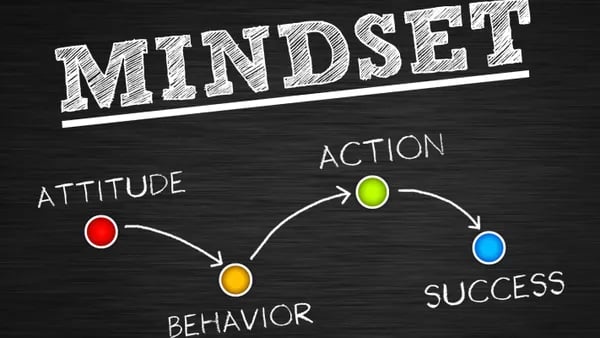
This mindset shift is at the heart of true technology productivity. Rather than letting the clock dictate your day, the course encourages learners to take charge—using focus strategies and personal productivity tips to design a schedule that matches their natural energy and attention cycles.
From Clock-Watching to Intentional Scheduling
Many people inherit the idea that productivity means squeezing as much as possible into every hour, often multitasking in the hope of getting more done. But research and the course’s “Should You Single-Task or Multi-Task?” module reveal a different story. Single-tasking vs multitasking isn’t just a trendy debate; it’s about quality over quantity. The course highlights that single-tasking—focusing on one task at a time—often leads to better results and less stress. This is especially true when you align your most important work with your personal productivity peaks, rather than forcing yourself to perform during low-energy periods.
Personal Anecdote: Working With, Not Against, Your Rhythm
Consider the common experience of trying to power through a complex project during an afternoon slump. The clock says it’s time to work, but your mind is foggy and distractions are everywhere. The course suggests a smarter approach: reorganize your schedule around your natural focus bursts. For example, if you’re sharpest in the morning, reserve that time for deep work and use lower-energy periods for routine tasks or breaks. This simple shift can dramatically improve your efficiency and satisfaction.
Challenging Workplace Myths About Time Management
Traditional workplace culture often glorifies multitasking and constant busyness. But as the course points out, these habits can actually undermine focus and productivity. By embracing intentional scheduling and leveraging technology productivity tools—like digital calendars, focus apps, and mindful reminders—you can break free from the myth that you’re at the mercy of the clock. Instead, you become the architect of your own time.
Set clear goals: Use technology to define and track what matters most.
Minimize distractions: Turn off unnecessary notifications and create a focused work environment.
Honor your energy: Schedule demanding tasks when you’re naturally most alert.
By adopting these focus strategies and recognizing that you control your schedule, you unlock a new level of personal productivity. The clock becomes a tool—not a taskmaster.
Crafting Work Rituals and Environment for Laser-Sharp Focus
In the digital age, harnessing technology for productivity goes far beyond timers and to-do lists. According to the “4 Ways To Use Technology Productively” course by Premium Online Tutorials, the foundation of true focus starts with intentional work rituals and a thoughtfully designed digital work environment. Consistent routines not only help individuals take control of their schedules, but they also prime the brain to enter a state of focus more quickly and effectively.
Signaling the Brain: The Power of Consistent Work Rituals
One of the core focus strategies highlighted in the course is the creation of consistent work rituals. These rituals act as cues, signaling to the brain that it’s time to transition into deep work mode. For example, starting each session by adjusting your chair, opening a specific productivity app, or even playing a favorite focus playlist can train your mind to associate these actions with concentration. Research shows that such rituals help reduce the mental friction of getting started, making it easier to achieve laser-sharp focus.
Organizing Your Digital and Physical Workspace
The course modules “Creating A Work Ritual To Get You Focused” and “How To Create The Perfect Environment For Staying Focused” emphasize that a clutter-free workspace—both physical and digital—correlates with higher work efficiency. Here are some practical steps to minimize distractions:
Declutter your desk: Keep only essential items within reach to avoid visual distractions.
Organize your digital desktop: Close unused tabs and apps, and use folders to keep files sorted.
Use technology mindfully: Leverage focus tools like website blockers or notification silencers to maintain attention.
Set boundaries: Inform others of your focus periods to minimize interruptions.
"A well-crafted work environment is as critical as any productivity app." – Premium Online Tutorials
Ritualized Behaviors: Small Habits, Big Impact
Ritualized behaviors before work sessions can make a significant difference. The course suggests simple yet effective habits, such as:
Starting with a specific playlist that signals “work mode.”
Adjusting lighting to a comfortable, focused setting.
Arranging your desk in a way that feels inviting and free from clutter.
These small, repeated actions create a sense of predictability and comfort, helping the brain shift into a productive state with less effort.
Personal Story: The Impact of Workspace Changes
After experimenting with workspace organization, many find their attention and productivity soar. For instance, one learner shared that after dedicating ten minutes each morning to clearing their desk and setting up a digital “focus folder,” distractions dropped noticeably. Their mind felt less scattered, and work sessions became more immersive and rewarding.
By combining technology productivity tools with intentional work rituals and a streamlined environment, anyone can unlock higher levels of focus and efficiency—just as the course teaches.
Train Your Brain: Techniques to Build Mental Discipline Against Distractions
In the digital age, distractions are everywhere—pop-up notifications, endless social feeds, and the lure of multitasking can easily derail even the most motivated individuals. The “4 Ways To Use Technology Productively” course by Premium Online Tutorials dives deep into brain training techniques and focus strategies that help you reclaim your attention and channel your energy where it matters most. As the course puts it,
"Training your attention is like training a muscle; it gets stronger with practice."
Mindful Habits for Enhanced Concentration
One of the core messages of the course is the power of mindfulness work in building mental discipline. Mindfulness techniques—such as conscious breathing, body scans, and intentional pauses—are proven to improve attention span and reduce mental fatigue. The course encourages learners to start each work session with a brief mindfulness exercise. For example, taking two minutes to focus on your breath before diving into tasks can prime your brain for deep concentration.
Start with intention: Set a clear goal for each session.
Practice mindful breathing: Inhale deeply for four counts, hold for four, exhale for four, and repeat.
Notice distractions: When your mind wanders, gently bring your focus back to your breath or your task.
Brain Training Exercises to Block Tech Distractions
The course’s “How To Train Your Brain To Stay Focused” module offers practical exercises to shield against common tech distractions. These brain training techniques include:
Single-tasking drills: Work on one task at a time for a set period, resisting the urge to check messages or switch tabs.
Digital declutter: Regularly clean up your workspace—both physical and digital—by closing unnecessary apps and organizing files.
Work rituals: Develop a pre-work routine, such as putting your phone on “Do Not Disturb” and setting up your workspace, to signal your brain it’s time to focus.
These exercises help train your mind to resist the pull of notifications and multitasking, making it easier to stay on track.
The Science of Strategic Breaks
Research-backed work-break science is a highlight of the course. Studies show that taking regular, scheduled breaks not only prevents burnout but also boosts long-term productivity. The course recommends following a work-break ratio, such as 50 minutes of focused work followed by a 10-minute break. During these breaks, step away from screens, stretch, or practice a quick mindfulness exercise to recharge your mental energy.
Example: Focus Timer App + Mindfulness Breathing
To combine technology and mindfulness, the course suggests using a focus timer app—like the Pomodoro Technique—paired with mindful breathing. Set your timer for 25 or 50 minutes, work with full attention, and when the timer goes off, close your eyes and take five slow, deep breaths. This simple pairing leverages both tech and mindfulness to sharpen your focus and build lasting mental discipline.
The Science of When and How to Take Breaks for Maximum Productivity
One of the most powerful lessons from the “4 Ways To Use Technology Productively” course by Premium Online Tutorials is the importance of understanding work-break science. Far from being a sign of slacking off, taking regular, intentional breaks is a proven strategy for maintaining high levels of focus and productivity throughout the workday. As the course puts it,
"Taking a break isn’t laziness; it’s a vital part of productive work." – Premium Online Tutorials
Work-Break Ratios Backed by Science
Research highlighted in the course’s module, The Best Work-Break Ratio According To Science, shows that the most productive people don’t work non-stop. Instead, they follow a rhythm: working for 50 to 90 minutes, then taking a 10 to 15-minute break. This cycle is rooted in studies on mental fatigue and attention span, revealing that our brains naturally lose focus after about an hour to an hour and a half of concentrated effort. By scheduling breaks at these intervals, individuals can reset their mental energy and return to tasks with renewed clarity.
Why Regular Breaks Prevent Burnout and Boost Focus
Continuous work without pause may feel productive, but it often leads to diminishing returns. The course emphasizes that scheduled breaks reduce the risk of burnout and improve the quality of output. When the brain is given time to rest, it processes information, consolidates memories, and prepares for the next round of focused activity. This aligns with focus strategies that encourage mindfulness work—being present and intentional during both work and rest periods.
Personal Productivity Rhythms and Technology Productivity
One of the unique insights from Premium Online Tutorials is the idea that individuals, not the clock, should be in control of their schedules. The course encourages learners to identify their own productivity peaks—whether they’re morning people or night owls—and to plan breaks accordingly. Modern technology makes this easier than ever. Tools like break reminder apps, calendar notifications, and even smartwatches can prompt users to step away at the right moments, supporting technology productivity by ensuring that breaks are both timely and effective.
Common Break Mistakes to Avoid
Skipping breaks: Many people believe powering through will help them finish faster, but this often leads to fatigue and mistakes.
Unplanned distractions: Checking social media or email “just for a minute” can turn into a long, unfocused break that disrupts workflow.
Ignoring personal rhythms: Taking breaks at random times rather than aligning with natural energy cycles can reduce their effectiveness.
Instead, the course recommends using mindfulness work techniques during breaks—such as stretching, walking, or meditating—to fully recharge. By combining scientific work-break ratios with intentional technology use, anyone can sustain focus, prevent burnout, and achieve real productivity gains.
Beyond the Desk: How Leisure Shapes Your Workday Performance
When it comes to technology productivity, most people focus on apps, timers, and to-do lists. But as highlighted in the Premium Online Tutorials course, “4 Ways To Use Technology Productively,” there’s a crucial element often overlooked: how you spend your free time. The module “What You Do During Your Free Time Determines Your Productivity” makes it clear that your off-work activities aren’t just background noise—they’re the secret ingredient to a truly productive workday.
The course delivers a powerful message: “Your free time isn’t just downtime; it’s the foundation of your productivity.” This insight is backed by research showing that engaging in restorative leisure—like light exercise, creative hobbies, or mindful relaxation—can significantly improve your focus and mental clarity when you return to work. In contrast, passive activities such as endless social media scrolling or binge-watching TV may leave you feeling drained rather than refreshed.
Mindfulness work and productive free time go hand in hand. The course encourages individuals to take charge of their schedules, not just during work hours but also during breaks and after-hours. Instead of defaulting to whatever is easiest, the curriculum suggests being intentional about leisure choices. For example, a short walk outside, a few minutes of meditation, or picking up a sketchbook can do wonders for your mental energy. These activities help reset your brain, making it easier to concentrate and tackle complex tasks when you return to your desk.
Consider a common scenario: you’ve just finished a demanding project, and you have a 15-minute break. You could opt to binge-watch a few YouTube clips, letting the algorithm decide what you see next. Or, you could take a brisk walk around the block, stretch, or listen to a favorite song while practicing deep breathing. According to the course, the latter options are more likely to leave you feeling recharged and ready to focus, while passive screen time often leads to mental fatigue and diminished productivity.
The science behind this is compelling. Studies referenced in the course show that leisure choices have measurable effects on mental energy. Mindful, restorative activities help lower stress and replenish cognitive resources, while passive consumption can actually sap your motivation and attention span. By choosing productive leisure, you’re not just filling time—you’re investing in your future performance.
Ultimately, the Premium Online Tutorials course reframes the conversation around technology productivity. It’s not just about what you do at your desk, but how you support your mind and body beyond it. By making thoughtful decisions about your free time, you build the foundation for sustained focus, creativity, and achievement. The next time you reach for your phone during a break, remember: your leisure is shaping your workday more than you think.