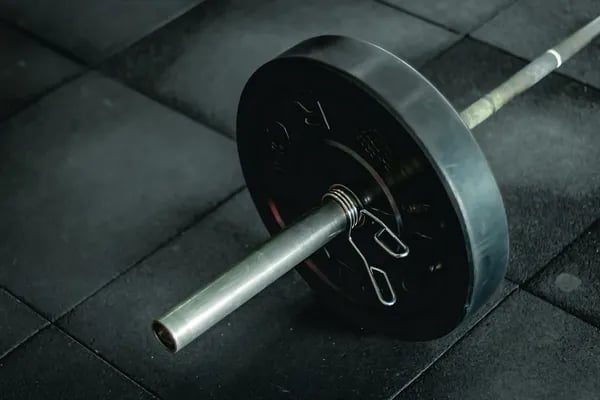



Picture this: it’s 7am, you’re still in your pajamas, and your living room is doubling as your gym—again. The wildest thing happened to me last year: after a certain treadmill commercial interrupted my favorite crime doc, I decided to ignore the ads and build my own home workout routine from scraps in my basement. What I learned? You don’t need fancy gizmos or celebrity-endorsed plans. You need creativity, grit, and a dash of rebellion. Let’s shatter some fitness myths—and have some fun along the way.
Why Home Workouts Usually Flop (And How to Outfox Disaster)
Let’s be honest: if late-night TV ads were right, we’d all have six-packs by now. The reality? Most home workout dreams crash and burn before you even break a sweat. Why? Because the real challenges of home training aren’t about finding the “perfect” program or splurging on the latest gadget. They’re about motivation, space, and—let’s admit it—resentment toward that dusty jump rope tangled in your closet.
There’s no shortage of options. Online, you’ll find everything from high-intensity interval training (HIIT) routines to step-by-step home workout courses promising miraculous results. But as WorkoutPedia points out, “very few of the methods, machines, and services you see for getting into better shape work as well as they say that they will.” Sometimes, they even do more harm than good. It’s not just the overhyped equipment; it’s the sense of failure when you realize your living room isn’t magically transforming into a state-of-the-art gym.
Here’s the thing: workout effectiveness at home isn’t about having the fanciest gear. It’s about outsmarting the everyday obstacles. Motivation slips away when you’re surrounded by distractions. Space is tight—especially when you nearly break your ankle tripping over “essential” home gym gear you never actually use. (True story: that resistance band still mocks me from under the couch.)
Research shows that the most successful home workouts are the ones that anticipate these pitfalls. Instead of chasing the next miracle gadget, focus on small, weird tricks that actually work. For me, taping motivational notes to the fridge was a game changer. It sounds silly, but seeing “Just 10 minutes!” every time I reached for a snack nudged me into action more often than any fancy app ever did.
And if you’re feeling like a failure, you’re not alone. As fitness expert Jillian Michaels puts it:
So many home workout failures are less about a lack of willpower and more about an overabundance of marketing hype.
So, next time you’re tempted by a late-night promise, remember: home workout success is less about what you buy, and more about how you tackle the challenges of home training—one awkward, imperfect, but totally real step at a time.
Designing a Home Gym That Doesn’t Eat Your Space (or Wallet)
Let’s be honest: that fancy cardio machine you bought with the best intentions? It’s probably moonlighting as a clothes rack right now. You’re not alone. The truth is, most people don’t need a room full of expensive fitness equipment to get in shape. In fact, research shows that budget fitness equipment and a minimalist approach can make home workouts more accessible and effective for everyone—especially those in tight spaces or on a tight budget.
Minimalism is the secret sauce. The handful of tools that truly matter for a home gym might surprise you. Spoiler: your own body is the ultimate piece of fitness equipment. Bodyweight training—think push-ups, squats, planks—requires almost no gear, and it’s the backbone of most effective budget fitness routines. If you want to invest in anything, grab a sturdy mat, a couple of resistance bands, and maybe a set of adjustable dumbbells. That’s it. You can tuck these away in a closet or under the bed, and your living room won’t look like a sporting goods store exploded.
But what if you want to get creative? Look around your home. That old coffee table? Perfect for step-ups or tricep dips. Bags of rice or water jugs? Instant weights. Hand-me-down furniture can double as benches or platforms. The point is, you don’t need to spend a fortune to build a functional home gym. As WorkoutPedia’s course (just $12 for lifetime access and only 59 minutes long) emphasizes, the basics are all you need to get real results.
Of course, motivation is the other half of the equation. To keep the clutter monster away, designate a small, dedicated workout zone—even if it’s just a corner. Hang up a motivational poster, set a timer, and keep your gear organized in a basket or box. Studies indicate that a tidy, inspiring space makes it easier to stick to your routine.
The best gym is the one you actually use, not the priciest one in your garage. — Arnold Schwarzenegger
So, before you max out your credit card on the latest fitness equipment, remember: a smart, minimalist home gym is not only possible—it’s probably the best investment you’ll ever make in your health.
Bodyweight Wizardry: Mastering Moves in (Almost) No Space
Let’s get real—sometimes, the only gym equipment you have is a coffee table, a stubborn will, and maybe a roommate who’s just trying to watch TV. That’s exactly how the infamous “coffee table leg presses” were born. While my roommate rolled their eyes, I discovered that Bodyweight Training can turn any cramped living room into a muscle-building laboratory. The best part? You don’t need fancy gear or a sprawling basement gym to see serious Muscle Growth.
The Science-y Stuff: How Muscles Actually Grow (Even With Just Your Weight)
Here’s the thing: muscle isn’t built by magic. As Greg Nuckols puts it,
Muscle isn’t built by magic—it’s built by pressure, movement, and smart recovery.
Research shows that when you challenge your muscles—whether with weights or your own body—they respond by getting stronger and bigger. High-Intensity Training (HIT), which you can do with nothing but your own weight, is proven to spark muscle growth if you keep the intensity up and push close to failure. Consistency and proper recovery are the real secret sauce.
A 3-Move Routine for Rainy Days (No Gym, No Problem)
Stuck inside? Try this step-by-step plan for a full-body blast:
Push-Ups: Classic, but brutal if you slow down the tempo or add a pause at the bottom.
Bulgarian Split Squats: Use your couch or, yes, your coffee table. One leg up, squat down, and feel the burn.
Plank-to-Push-Up: Core, shoulders, and triceps—this move is a multitasking wizard.
Cycle through these moves for 3-4 rounds. Rest as needed, but don’t let your phone distract you for too long.
Legendary ‘Beast Moves’—Odd, But Effective
Ever tried a “shrimp squat” or “archer push-up”? These beast moves look odd, but they work. Online step-by-step plans, like those in WorkoutPedia, break down these advanced bodyweight exercises so anyone can master them at home. Studies indicate that adding variety and intensity to your Bodyweight Training keeps things fresh and helps you break through plateaus.
With the right Step-by-Step Plans and a sprinkle of creativity, Muscle Growth is possible in even the tiniest spaces. Sometimes, all you need is a stubborn streak—and maybe a forgiving roommate.
Jumping into Cardio (Without Destroying Your Knees or Your Floor)
Let’s be honest—when you’re building a home gym on a shoestring, the idea of cardio exercises can feel intimidating. Images of jumping jacks rattling the light fixtures or burpees leaving your knees begging for mercy are enough to make anyone hesitate. But here’s the thing: cardio doesn’t have to be complicated, expensive, or even high-impact to be effective for weight loss and overall fitness.
Take dance cardio, for example. One rainy afternoon, I cranked up a YouTube playlist and started moving. My dog watched with a look that said, “Really?” But by the end, I was sweating, smiling, and—most importantly—my knees and my basement floor survived. It turns out, research shows that simple, heart-pumping moves like dance, bodyweight HIIT routines, or even stair climbing can deliver powerful results without fancy equipment or a ton of space.
Heart-Pumping Moves, Minimal Space
Bodyweight HIIT: Short bursts of high-intensity training (think squats, mountain climbers, or shadowboxing) get your heart rate up fast and can be done in a six-foot square.
Skipping Rope: If you have a few extra feet, a jump rope is a classic for a reason—just watch your ceiling height.
Stair Climbing: Got stairs? You’ve got a built-in cardio machine. March up and down for a few minutes at a time.
Dance Cardio: No choreography skills required. Just move, have fun, and let the music do the work.
Debunking Cardio and Weight Loss Myths
Mainstream weight loss solutions often promise quick fixes, but the truth is, sustainable weight loss comes from consistent, realistic movement. You don’t need to run marathons in your living room. Studies indicate that regular, moderate cardio exercises—especially high-intensity training—are just as effective for weight loss as more extreme routines, and much kinder to your joints (and your floors).
Injury-Avoidance Tips I Wish I’d Known:
Warm up with dynamic stretches to prep your muscles and joints.
Choose low-impact variations if you’re new or have sensitive knees.
Listen to your body—if something hurts, modify or pause.
The best cardio is the one you don’t dread tomorrow. — Cassey Ho
The Sneaky Power of Food: Your Secret Weapon (and Saboteur)
If you think your home workout results depend only on how many push-ups you can crank out, think again. Nutrition planning is the not-so-secret ingredient that can make or break your progress—sometimes in ways you don’t even notice until it’s too late. As Mark Sisson famously said:
Abs aren’t made in the gym—they’re made in the kitchen.
My Kitchen Confession: The Midnight Protein Pancake Discovery
Here’s a little confession: one night, after a late workout, hunger hit hard. Out of sheer laziness (and a lack of groceries), a quick batch of protein pancakes came together—nothing fancy, just oats, eggs, and a scoop of protein powder. The next morning? No sluggishness, no cravings, and a surprising energy boost. That’s when it clicked: even the simplest meal tweaks can supercharge muscle growth and weight loss, especially when you’re training at home.
Simple Meal Tweaks for Real People
Forget complicated meal prep or restrictive “superfood” lists. Research shows that accessible, realistic food choices are far more sustainable for most people. If you’re the type who’d rather do burpees than cook, try these:
Greek yogurt with fruit for a quick protein fix
Rotisserie chicken and bagged salad for a no-cook dinner
Nut butter on whole grain toast for a pre-workout boost
These options fit any energy level and don’t require chef skills. The key? Consistency and balance—two pillars of smart nutrition planning.
When Food Becomes the Saboteur
Ever had a week where you crushed every workout, only to see zero progress? Sometimes, it’s not your training—it’s what’s on your plate. One week, a string of takeout meals and sugary snacks completely zapped results. The lesson? Even the best home workout program can’t out-train a poor diet. Studies indicate that proper nutrition is crucial for optimizing both weight loss and muscle growth, especially when working out from home.
Superfood Hype: Missing the Real Point
Trendy “superfood” lists might look impressive, but they often miss the bigger picture. It’s not about a single magic berry or powder—it’s about building a nutrition plan that supports your goals, fits your lifestyle, and keeps you coming back for more. The foods you choose every day are the real secret weapon for transforming your body, right in your own basement gym.
Putting It All Together: Your Own Unpredictable, Fun Fitness Blueprint
After all the sweat, trial, and error in that basement gym, there’s one lesson that stands out: the best fitness plans aren’t copied from someone else—they’re crafted by you, for you. The ultimate step-by-step plans are more like blueprints than strict instructions. They let you mix and match routines, meals, and mindset hacks until you’ve built a habit web that fits your life, not the other way around.
Research shows that personalizing and adapting your home workout routines leads to greater enjoyment and, more importantly, better results. That’s why the most successful home fitness stories aren’t about rigid schedules or flawless execution. They’re about experimenting, laughing at the missteps (like tripping over a resistance band or burning a “healthy” meal), and tweaking your plan as you go. Every “failure” is just another funny story to fuel your next attempt—and, honestly, those moments are what make the journey memorable.
The WorkoutPedia course gets this. It doesn’t just hand you a cookie-cutter routine. Instead, it guides you through building your own gym on a shoestring, choosing the basics that matter, and learning how to push yourself with bodyweight moves and high-intensity techniques. It even shows you how to adapt when motivation dips or life gets messy—because it will.
Here’s the secret: a playful, forgiving approach always wins out over perfection. If you miss a day, laugh it off and jump back in. If your meal plan goes sideways, improvise. The point isn’t to follow a workout routine to the letter, but to keep moving, keep experimenting, and keep it fun. That’s how you turn fitness from a short-term sprint into a lifelong adventure.
Fitness is a journey, not a guilt trip. — James Clear
So, as you wrap up this guide and start building your own unpredictable, fun fitness blueprint, remember: the only “right” fitness plan is the one you actually enjoy—and stick with. Make it yours, make it messy, and above all, make it fun.