
Habits shape nearly half of our daily activities, making them a powerful tool for achieving life goals. Understanding how habits form is essential to harnessing this power. The YouTube course "Better Habits" offers a comprehensive guide to building habits that align with your personal and professional desires. It covers breaking detrimental routines, adopting positive behaviors, and blending habits effectively into daily life.
This course dives into practical strategies, including top tips for breaking old habits and prioritizing habits to break ASAP. Aligning your habits with your goals ensures steady progress and a sense of fulfillment. Beyond the ordinary guides, it explores how habits influence mental well-being and productivity, empowering you to create lasting change.
By integrating expert insights and actionable advice, the course "Better Habits for Life Goals" transforms habit-building into an empowering journey. Discover how small, intentional changes can unlock your potential and guide you systematically toward your dreams. Watch YouTube YouTube About Course Better Habits to learn how to use align your habits with your goals and desires.
Did You Know?
Research shows that 40% of our daily actions are habits, highlighting the power of small changes in shaping our lives.
Source: University College London Study
Top Tips for Breaking Old Habits
Breaking old habits takes intention and strategy. The first crucial step is to identify your triggers—those specific situations, emotions, or people that automatically set your habit in motion. Recognizing these triggers helps you anticipate when the habit will arise and prepares you to respond with a conscious choice rather than autopilot behavior.
Next, implement substitution strategies. Instead of trying to merely stop the habit, replace it with a positive or neutral activity that satisfies the same need or feeling. For example, if stress causes you to reach for your phone, substitute it with a quick stretching routine or deep breathing exercise. This redirection reduces cravings and helps your brain form new associations.
Practicing mindfulness is another powerful tool. Mindfulness enhances your awareness of urges before they turn into actions. By staying present and observant, you can interrupt the momentum of old habits and choose healthier responses. Apps like Headspace or Calm can guide you in developing daily mindfulness practice to strengthen this skill.
Additionally, set up reminders and prompts to keep your new habit top of mind. Use alarms, sticky notes, or habit tracker apps like Habitica or Streaks. These cues reinforce your commitment and create accountability.
Finally, don’t underestimate the power of support. Sharing your goals with friends or joining habit-building communities can provide encouragement and accountability. Tools like the YouTube course Better Habits offer structured guidance and motivation to align your habits with your life goals and desires.
Key Tips for Breaking Old Habits
Identify Triggers
Recognize situations, emotions, or people that spark your old habit.
Implement Substitution Strategies
Replace the habit with a positive or neutral activity to reduce cravings.
Practice Mindfulness
Stay present and aware to catch yourself before the habit starts.
Use Reminders and Prompts
Set alarms or notes to reinforce new behavior.
Seek Support
Engage friends or tools like habit tracking apps for accountability.
Essential Habits to Break ASAP
Negative self-talk chips away at your confidence and stirs up stress that holds you back from achieving your goals. It often stems from perfectionism or fear of failure. Replace this destructive script with positive affirmations and journaling to retrain your mind. Apps like ThinkUp and Calm meditation are powerful tools to support this change, helping you build resilience and a stronger mindset over time.
Procrastination is another habit that can silently sabotage your progress. When overwhelm or lack of motivation strikes, it’s easy to delay important tasks until deadlines loom, creating anxiety and missed opportunities. Combat procrastination with practical tools like the Forest app for focus and Todoist for task management. Set small, clear goals and use time blocking techniques to improve your productivity and take control of your schedule.
Unhealthy eating habits drain your energy and hinder your physical health, making it harder to pursue your ambitions with vigor. Emotional stress or the lure of convenience often drive poor food choices. Taking steps to plan meals and keep healthy snacks within reach plays a crucial role in breaking this cycle. Use nutrition trackers like MyFitnessPal or Noom to stay mindful and motivated. The long-term benefits include enhanced vitality and improved wellbeing that empower sustained success.
Break These Habits Now
Identifying and breaking negative habits is the first step toward aligning your life with your goals. Focus on these essential habits to gain control and boost your progress.
- ✓ Negative Self-Talk
- ✓ Procrastination
- ✓ Unhealthy Eating
| Habit | Negative Self-Talk | Procrastination | Unhealthy Eating |
|---|---|---|---|
| Impact | Lower confidence, increased stress | Missed deadlines, increased anxiety | Reduced energy, poor health |
| Common Triggers | Perfectionism, fear of failure | Overwhelm, lack of motivation | Convenience, emotional stress |
| Break Strategy | Practice positive affirmations, journaling | Use time blocking, set small goals | Plan meals, keep healthy snacks handy |
| Tools for Support | ThinkUp app, Calm meditation | Forest app, Todoist | MyFitnessPal, Noom |
| Long-Term Benefit | Improved mindset and resilience | Better productivity and time management | Enhanced wellbeing and vitality |
Creating Positive Habits for Social Media Use
Creating healthy social media habits is crucial in maintaining focus and achieving your life goals. First, set clear time limits for how long you spend on platforms like YouTube. Utilizing YouTube’s built-in timer or your phone’s Screen Time feature helps keep your usage intentional and prevents mindless scrolling.
Next, curate your feed by actively engaging with positive and inspiring content. Subscribing to channels such as TEDx Talks or motivational speakers fills your feed with uplifting messages that elevate your mindset instead of draining your energy. This tactical choice reinforces positivity every time you log in.
Another powerful habit is to limit notifications. Disabling non-essential alerts on YouTube and other social apps minimizes distractions throughout your day. This creates space for deep focus and reduces the urge to check your phone compulsively.
By thoughtfully managing your social media habits through time limits, positive engagement, and controlled notifications, you create an environment that supports your personal growth. These habits, when consistently practiced, empower you to use social media as a tool for motivation and learning rather than distraction.
Set Time Limits
Use apps like YouTube's built-in timer or Screen Time to control daily usage.
Engage with Positive Content
Subscribe to uplifting channels such as TEDx Talks or motivational speakers.
Limit Notifications
Disable non-essential alerts to reduce distractions and stay focused.
Daily Habits That Improve Your Life
Transforming your life begins with building consistent daily habits. The foundation lies in establishing morning routines that set a positive tone for the entire day. Starting your morning with intentional actions like a few minutes of meditation, journaling your goals, or simply drinking a glass of water primes your mind and body for success. YouTube channels such as "Better Habits for Life Goals" reinforce the power of these routines to increase productivity and self-awareness.
Another life-enhancing habit is practicing gratitude. Taking a moment each day to reflect on what you are thankful for rewires your brain towards positivity. Apps like “Gratitude Journal” or simply a notebook can help you identify and record these moments. Gratitude practice not only reduces stress but also improves emotional resilience, making you more optimistic and motivated.
Physical activity plays a crucial role in improving mood, energy levels, and overall health. This doesn’t mean you have to commit to intense workouts; even moderate exercise such as walking, yoga, or stretching is effective. Regular movement helps release endorphins and combat sedentary lifestyle risks, backing up what lifestyle educators on YouTube advocate for better habit formation.
Key Daily Habits
Morning Routines
Start your day with intentional activities like meditation, journaling, or hydration.
Gratitude Practices
Reflect daily on things you're thankful for to boost positive mindset.
Physical Activity
Incorporate movement such as walking, yoga, or workouts to energize your body.
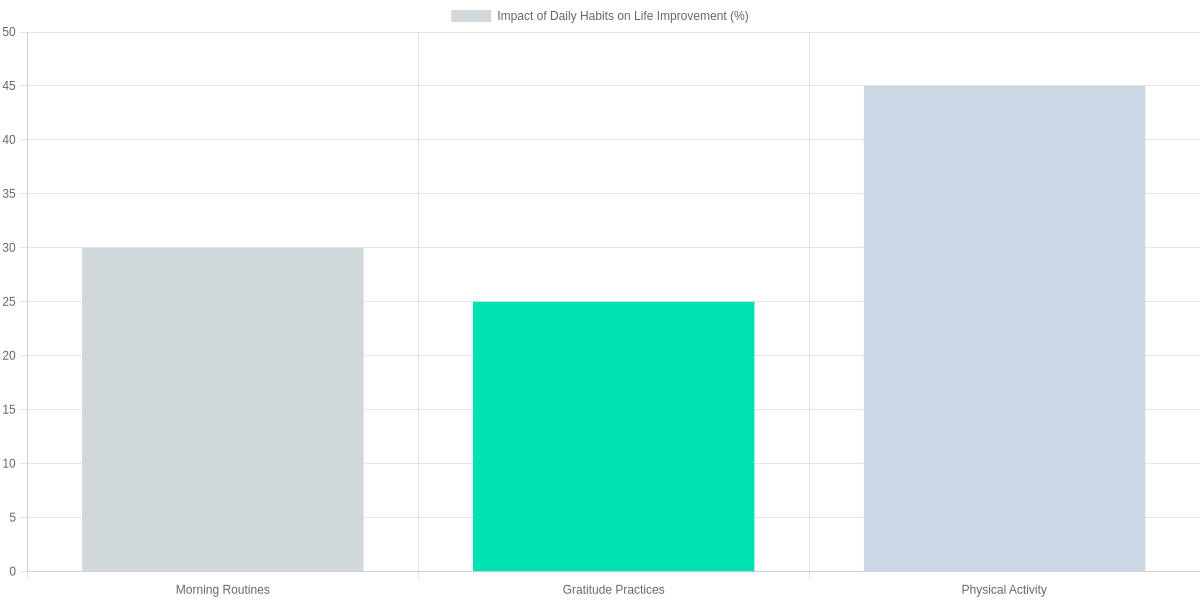
Research shows that physical activity contributes the most significant boost to life improvement, accounting for 45% of the positive impact among these habits. Morning routines follow with 30%, and gratitude practices contribute around 25%. This data highlights how movement physically refreshes and mentally sharpens your focus, while morning habits and grateful thinking lay the groundwork for sustainable motivation.
Top Books for Habit Building
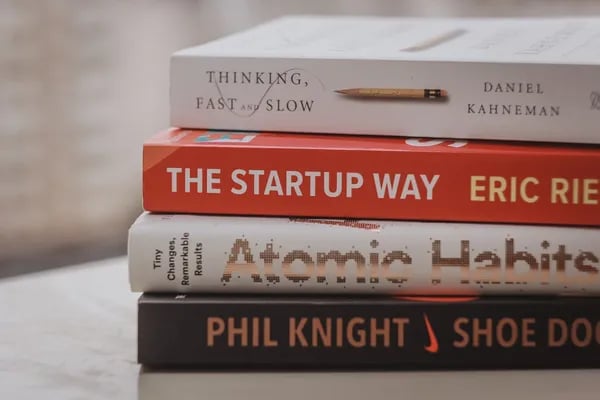
Building better habits starts with understanding how habits work and how to shape them effectively. Three of the most impactful books on habit formation are Atomic Habits by James Clear, The Power of Habit by Charles Duhigg, and Tiny Habits by BJ Fogg. Each book offers a unique approach grounded in science and practical advice.
Atomic Habits focuses on making small, incremental changes that accumulate to deliver remarkable results. James Clear emphasizes designing systems and environments that make good habits easier and more automatic. This book is highly actionable with clear steps to follow.
The Power of Habit dives into the science behind habits by explaining the habit loop—cue, routine, and reward—and how recognizing these components helps change unwanted behaviors. Duhigg complements this with engaging real-world examples and case studies.
Tiny Habits promotes simplicity, encouraging readers to start with tiny changes that feel incredibly manageable. BJ Fogg’s approach uses behavioral science to help build motivation and momentum through small wins.
Whether you want a detailed guide with practical steps, scientific insights into habit cycles, or a gentle introduction to habit change, these books provide a solid foundation for anyone looking to transform their routines and achieve lasting growth.
The Foundation of Your Life: Building Strong Habits
Important Insight
Your habits define your future. Strengthening them consistently shapes your identity and life path.
Consistency is the cornerstone of building strong habits. When you engage in behaviors regularly, they don’t just become routines; they become part of who you are. This transformation from action to identity anchors your long-term success and well-being, as highlighted in the Better Habits for Life Goals YouTube course.
Strong habits forge a powerful identity. Instead of viewing habits as isolated tasks, they should be seen as declarations of your values and potential. For example, if you consistently journal each morning with the app Day One or complete your daily workout using the Fitbit app, you start identifying as someone who prioritizes self-care and productivity. This sense of identity motivates sustained progress, even when challenges arise.
Sustaining new habits demands a blend of motivation, environment, and accountability. Setting clear triggers, such as meditating at the same time daily with the Calm app, helps habits embed deeply into your lifestyle. Likewise, using community features on apps like Habitica creates social accountability, promoting adherence through positive reinforcement and peer support.
How Habits Become Your Identity
Scientific research supports that habits shape our brain circuits, reinforcing pathways linked to behaviors repeated over time. This neural adaptation converts initial effort into automatic actions, reducing cognitive load. The Better Habits for Life Goals course emphasizes leveraging this by aligning habits with your core values and goals, so that your everyday decisions mirror your desired self-image.
For instance, adopting the habit of reading for 10 minutes daily transforms perceptions from “someone who struggles to find time for growth” to “a lifelong learner.” This identity shift is fundamental to habit sustainability. The more your actions reaffirm your identity, the less you rely on fluctuating willpower.
Sustaining Momentum with Practical Strategies
Building strong habits also means planning for obstacles and lapses. The course recommends strategies such as habit stacking, where new habits attach to established ones — for example, doing 5 push-ups right after brushing your teeth using reminders from the Productive app. This continuity makes habits less likely to fade.
Utilizing habit tracking tools, like Streaks or Fabulous, turns intangible progress into visible milestones, boosting motivation. When you see your streak grow, your brain rewards the effort, fueling further engagement.
Additionally, tweaking your environment to minimize friction is crucial. For example, placing your workout clothes by your bed or scheduling focus blocks with apps like Forest reduces excuses and facilitates consistency. These environmental cues enable habits to flourish naturally.
Long-Term Focus: Evolving Habits with Your Growth
As your goals evolve, so should your habits. Sustained growth requires reflection and adaptation, which is a core lesson in the course. Periodically assessing if your habits still serve your vision ensures continuous alignment and prevents stagnation.
Tracking your progress over time, as illustrated by trends in consistency and impact, shows how habits compound. Research reveals positive habit adherence is growing yearly, with a steep rise in 2025 as more tools and knowledge become accessible. This is evident from the line chart below, which captures this upward trajectory and its correlation with improved life quality.

Ultimately, strong habits build a foundation that supports every ambition and dream. They act as the invisible architecture of your life, quietly steering decisions and behavior toward your highest potential. Investing intentionality today in habit formation creates unstoppable momentum and a deeply rooted identity aligned with your best self.
The Power of Habits: Impact on Quality of Life
Habits serve as the invisible architecture behind every aspect of our well-being. The habits we cultivate daily are not just routine actions; they fundamentally shape our mindset, motivation, and ultimately, the quality of our lives. As James Clear highlights in his book Atomic Habits, small changes practiced consistently lead to remarkable life transformations over time.
Research from the course “Better Habits” on YouTube underscores that habits act as the foundation for sustained personal growth. When positive habits such as mindfulness, regular exercise, or focused goal-setting become integrated into your routine, they build momentum. This momentum generates a cascading effect that improves mental clarity, emotional health, and productivity.
The power of habits also lies in their ability to reshape your mindset. Good habits enhance mental resilience, making it easier to navigate challenges and setbacks. This mental shift fuels motivation, turning daily wins into sources of deep satisfaction. Motivation propelled by habit-building creates a virtuous cycle where your goals feel attainable and your well-being flourishes.
Long-term impact is where habits truly demonstrate their influence. Small, seemingly trivial improvements—like making your bed each morning or dedicating ten minutes to journaling—stack up over time. This compounding effect transforms life in profound ways, reinforcing that the secret to success is often hidden in daily consistency.
Real-Life Case Studies
Behind every successful habit transformation, there is a story. Consider Sarah, a student featured in the “Better Habits” course, who struggled with procrastination. By adopting time-blocking and digital detox habits, she significantly improved her academic performance and reduced stress. Similarly, Mark shifted his unhealthy evening snacking habit by practicing mindful eating and replacing junk food with nutritious options, leading to better energy and weight management.
These examples reveal how habit shifts do more than change behavior; they reshape identity and well-being. YouTube channels dedicated to habit science, like Thomas Frank’s educational videos, also demonstrate through interviews and experiments how habit alignment with life goals can elevate happiness and life satisfaction.
Consistency
Habits establish routine actions that build momentum for lasting change.
Growth
Positive habits foster continuous personal development and well-being.
Motivation
Strong habits fuel motivation by creating achievable daily wins.
Mindset
Good habits reshape thinking patterns, enhancing mental resilience.
Long-Term Impact
Small habit improvements compound and transform life over time.
Case Studies
Real-life examples show how habit shifts lead to success and happiness.
Frequently Asked Questions
Understanding habits is essential for aligning your daily actions with your life goals. Habits are automatic behaviors or routines formed by repeating actions consistently over time. They form the foundation of your daily life, impacting productivity and overall well-being, as explained in the Better Habits course.
One common question is how long it takes to form a habit. According to research highlighted in the Better Habits course, it generally takes between 21 to 66 days for a new behavior to become a solid, ingrained habit. The exact duration depends on the individual and the complexity of the habit being developed.
Many wonder if habits can be changed easily. While change is possible, it requires deliberate effort and strategy. The Better Habits course offers proven techniques such as breaking down old habits incrementally and making the process of adopting new habits enjoyable. Patience, consistency, and the right mindset are crucial to achieving lasting transformation.
What exactly are habits? ▼
How long does it take to form a habit? ▼
Can habits be changed easily? ▼
Conclusion
Aligning your habits with your goals and desires is the cornerstone of lasting transformation. The Better Habits YouTube course offers a comprehensive guide to breaking old patterns and building new ones that support your life ambitions.
By focusing on small, manageable changes each day, you create a foundation that steadily improves your quality of life. The course covers essential topics such as tips for breaking old habits, avoiding social media pitfalls, and making new habits enjoyable—ensuring your progress remains sustainable.
Starting the habit-building journey might feel daunting, but tapping into the course’s practical strategies and content, including “The Power of Habits” and “Best Books about Habit Building,” empowers you to take charge.
Embrace this opportunity to craft habits that align deeply with your values. Your future self will thank you. Explore YouTube About Course Better Habits today to begin transforming your life habit by habit.
🎯 Key Takeaways from Better Habits for Life Goals Conclusion
- → Align your habits with your life goals and desires for lasting change.
- → Breaking old habits and adopting new ones is a foundational step for success.
- → Use resources like the Better Habits YouTube course to guide your improvement.
- → Small, consistent habits improve your life one day at a time.
- → Make habit-building fun and rewarding to sustain motivation.